
SPOTLIGHT: FEDERAL PREGNANT WORKERS’ FAIRNESS ACT
Recently Congress passed the Pregnant Workers Fairness Act (PWFA). This new federal law will go into effect on June 27, 2023, and applies to all employers with fifteen (15) or more employees. Under the new law, employers are required to provide reasonable accommodations to employees and applicants who have known limitations related to pregnancy, childbirth, or related medical conditions, unless the accommodation will cause the employer an undue hardship.
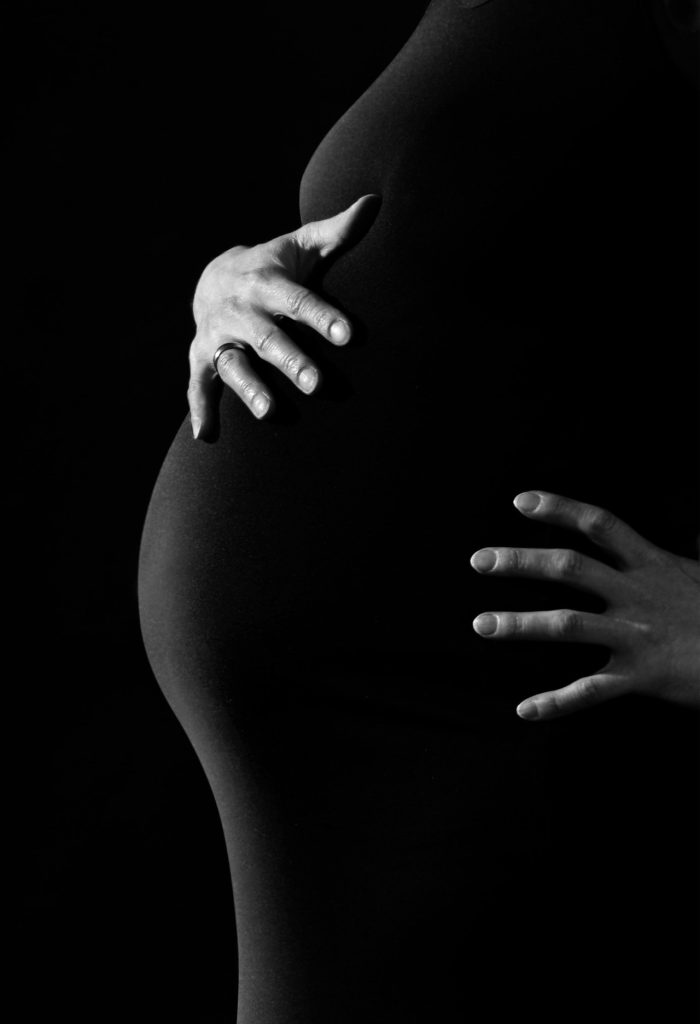
The EEOC has provided guidance regarding this new law which includes examples of some potential reasonable accommodations that can be provided to pregnant individuals. These examples include: ability to sit or drink water; receive closer parking; have flexible hours; receive appropriately sized uniforms and safety apparel; receive additional break time to use the bathroom, eat, and rest; take leave or time off to recover from childbirth; and be excused from strenuous activities and/or activities that involve exposure to compounds not safe for pregnancy.
As Nevada employers know, Nevada state law already provides similar protections under the Nevada Pregnant Workers’ Fairness Act. This law went into effect in October 2017 and applies to all employers with fifteen (15) or more employees. Just like the PWFA, the Nevada Pregnant Workers’ Fairness Act, a covered employer must provide reasonable accommodations to employee or applicants based on pregnancy, childbirth, or related medical conditions. Both laws also prohibit employers from refusing to provide reasonable accommodations unless it would impose an undue hardship on the employer.
Further, both the Nevada Pregnant Workers’ Fairness Act and the PWFA prohibit certain actions by employers. There are many similarities between the two laws when it comes to those prohibitions along with a few differences.
In regard to similarities, both laws prohibit employers from placing an employee on leave if a reasonable accommodation can be provided that would allow the individual to continue to work. Both laws also prohibit employers from denying a job or other employment opportunity to a qualified employee or applicant based on the person’s need for a reasonable accommodation.
One of the main differences between the laws in under Nevada Pregnant Workers Fairness Act an employer cannot require an employee or applicant to accept an accommodation that the employee or applicant did not request or chooses not to accept. Whereas under the PWFA, it only prohibits an employer from requiring an employee to accept an accommodation without a discussion about the accommodation between the worker and the employer.
Both laws also contain provisions regarding no retaliation against employees and applicants. Under the PFWA, an employer is prohibited from retaliating against an individual for reporting or opposing unlawful discrimination under the PWFA or participating in a PWFA proceeding (such as an investigation). Under Nevada’s law, an employer cannot take adverse action against employee because the employee requests or uses a reasonable accommodation.
An additional prohibition under the PWFA, that is not included under Nevada’s Pregnant Workers Fairness Act is that an employer is also prohibited from interfering with any individual’s rights under the PWFA.
Of note though, the EEOC has advised that the PWFA does not replace federal, state, or local laws that are more protective of workers affected by pregnancy, childbirth, or related medical conditions. As such, since Nevada law has stricter prohibitions, such as the one that an employer cannot require an employee or applicant to accept a reasonable accommodation that they did not request or choose not to accept, Nevada employers need to remain complaint with those stricter provisions under Nevada’s law.
HR FORMS
-
Home
For over 85 years
Workplace compliance and HR administration
Nevada Association of Employers (NAE) has compiled a collection of commonly used HR forms, checklists, policies, and employer guides to help Nevada businesses manage workplace compliance and HR administration.
Whether you are looking for an employment application, employee file checklist, payroll deduction form, performance appraisal form, or FLSA exemption worksheet, NAE provides resources designed to support employers with day-to-day HR operations.
These tools help employers maintain consistent documentation practices and ensure workplace policies align with federal and Nevada employment regulations.
Employers who need additional guidance on HR compliance may also benefit from services such as HR Hotline support or professional HR audits, which help identify potential compliance gaps before they become legal issues.
Access HR Forms Through the Member Portal
NAE members can access these HR resources through the Member Portal (login required). The portal includes downloadable HR forms, customizable policies, and other templates that help employers manage employee documentation and HR procedures efficiently.
These resources are designed to work alongside other NAE compliance tools, including the HR Compliance Checklist and Employee Handbook Review services that help employers maintain legally compliant workplace policies.
Lets Start Today
Need a Form or Resource Not Listed?
If you don’t see the HR resource you need, NAE’s HR professionals and employment law attorneys are available to help.
Members can request guidance or customized resources through services such as Legal Hotline or employment legal services, which provide expert advice on workplace compliance and HR documentation.
Contact Nevada Association of Employers to speak with our team about your HR needs.
📞 Phone: 888-438-3125
📧 Email: info@nevadaemployers.org
Contact Nevada Association of Employers
Begin Your Journey Now:
Become a Member
OR
Speak With Member Services:
Give Us a Call
See Why Nevada Employers Trust NAE
[trustindex no-registration=google]