
POLITICS IN THE WORKPLACE
It is that time again.
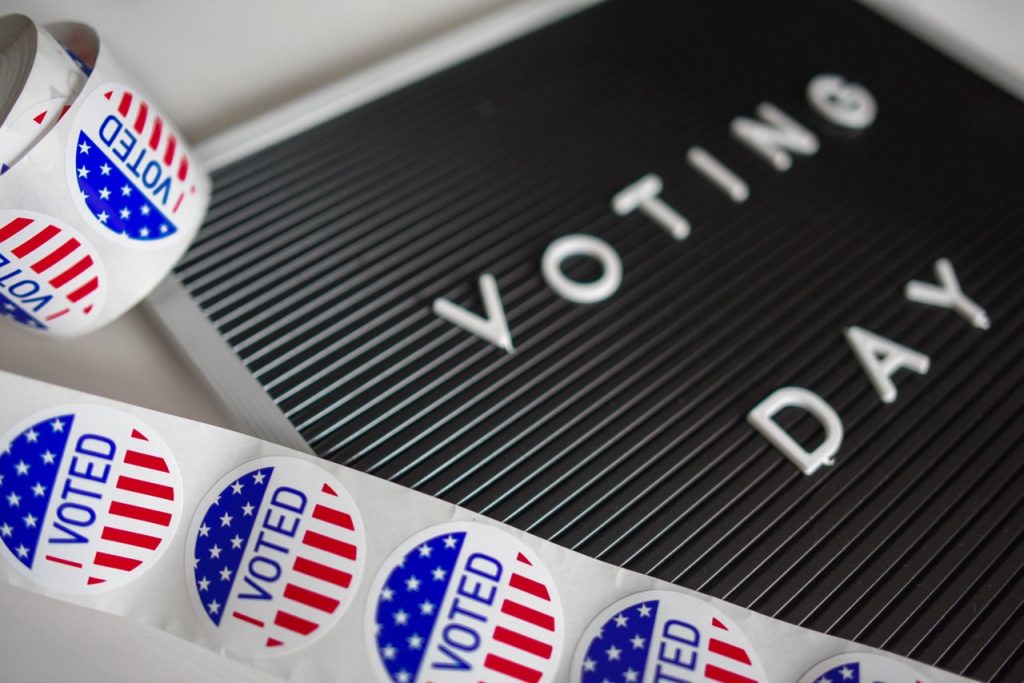
Another presidential election in the United States is upon us. And if we learned anything from the 2016 election, it is sure to be filled with hotly contested political discussion and debates. Paired with the current push for social justice through the Black Lives Matter movement and the issues surrounding that, it is inevitable that employees will want to express their social, political, and personal ideologies in the workplace.
For employers, this presents a unique challenge in terms of permitting employees to freely voice their opinion while avoiding unnecessary distractions or tension amongst their employees. As such, Nevada employers should have in place policies that address how and when employees can partake and express their views on political and social issues.
It is important to first address how the First Amendment and the right to free speech/expression applies in the workplace. A common misconception is that First Amendment protects an individual’s right to free speech in any context, including at work. The First Amendment, however, only applies to government action and therefore does not prevent a private employer from regulating an employee’s speech or expression in the workplace. Employers should bear in mind, however, that there are several limitations to the general rule that they can restrict speech and expression concerning politics in the workplace.
One exception is set forth in Nevada Revised Statutes 613.040, which states: “It shall be unlawful for any person, firm or corporation doing business or employing labor in the State of Nevada to make any rule or regulation prohibiting or preventing any employee from engaging in politics or becoming a candidate for any public office in this state.” Although the statute does not explicitly permit an employee to engage in politics in the workplace, it does prohibit an employer from enacting policies that would otherwise prohibit the employee’s right to engage in political activity. For example, a policy that prohibits an employee from attending a political rally outside of work or prohibiting membership of a certain political party, would likely run afoul of NRS 613.040.
The second exception arises out of the National Labor Relations Act (NLRA). The NLRA provides the right of employees to engage in “concerted activity,” which includes communications between employees (union and non-union) concerning the terms and conditions their employment. Where it plays a role in political discussion at work is when the line between support for a political candidate begins to blur with support for a candidate’s platform on worker’s rights, for example, raising minimum wage. Accordingly, while the discussion may be politically motivated, if the political discussion is concerning employment related ideas, it may fall under NLRA’s protections. Conversely, if the message conveyed by the employee is solely “Vote for [political candidate],” with no direct relation to employment matters, it may not be considered protected communications under the NLRA.

In crafting a policy on political speech in the workplace, employers should be mindful of several things. First, employers should be considerate of an employee’s personal ideologies and their desire to freely express the views and opinions. Given the current state of affairs, many employees may, for example, want to express their support for social justice movements. Although an employer may legally restrict an employee from wearing a Black Lives Matter shirt, doing so may result in bad publicity and poor employee morale. On the other hand, employers must also ensure that the content of expression is not offensive or obscene. Thus, employers will have to actively monitor and regulate their employees to ensure compliance with their policies.
Second, employers must craft a policy that ensures consistent and even application. The primary risk of inconsistent application of polices limiting political speech or expression is the perception of favoring one idea over another or singling one person out. This perception of unequal treatment may or may not lead to claims of discrimination. This is especially heightened due to the speech or expression being politically driven, as politics often invoke racial, gender, nationalistic, etc. undertones. Thus, when implementing these policies, employers must ensure consistent and even-handed enforcement.
Like everything in 2020, this election will be unlike any other. Set in the backdrop of a pandemic, an economic recession, and the largest push for civil right since the 1960’s, it is sure permeate into every aspect of life, including the workplace. The Nevada Association of Employers is here to assist its members through this chaotic time in any way we can. Whether that is providing handbook and policy review, workforce trainings, legal representation, or simply talking through a situation, we are happy to help. Please contact us at info@nevadaemployers.org or (888) 398-8092.
HR FORMS
-
Home
For over 85 years
Workplace compliance and HR administration
Nevada Association of Employers (NAE) has compiled a collection of commonly used HR forms, checklists, policies, and employer guides to help Nevada businesses manage workplace compliance and HR administration.
Whether you are looking for an employment application, employee file checklist, payroll deduction form, performance appraisal form, or FLSA exemption worksheet, NAE provides resources designed to support employers with day-to-day HR operations.
These tools help employers maintain consistent documentation practices and ensure workplace policies align with federal and Nevada employment regulations.
Employers who need additional guidance on HR compliance may also benefit from services such as HR Hotline support or professional HR audits, which help identify potential compliance gaps before they become legal issues.
Access HR Forms Through the Member Portal
NAE members can access these HR resources through the Member Portal (login required). The portal includes downloadable HR forms, customizable policies, and other templates that help employers manage employee documentation and HR procedures efficiently.
These resources are designed to work alongside other NAE compliance tools, including the HR Compliance Checklist and Employee Handbook Review services that help employers maintain legally compliant workplace policies.
Lets Start Today
Need a Form or Resource Not Listed?
If you don’t see the HR resource you need, NAE’s HR professionals and employment law attorneys are available to help.
Members can request guidance or customized resources through services such as Legal Hotline or employment legal services, which provide expert advice on workplace compliance and HR documentation.
Contact Nevada Association of Employers to speak with our team about your HR needs.
📞 Phone: 888-438-3125
📧 Email: info@nevadaemployers.org
Contact Nevada Association of Employers
Begin Your Journey Now:
Become a Member
OR
Speak With Member Services:
Give Us a Call
See Why Nevada Employers Trust NAE
[trustindex no-registration=google]